
Cornwall Park in Epsom, Auckland, is one of the city’s most beloved green spaces — a place where joggers, picnickers, history lovers and families gather amid sprawling lawns, old trees, and quiet trails. Created in the early 20th century from the generous gift of philanthropist Sir John Logan Campbell, the park spans many acres and surrounds the volcanic cone Maungakiekie / One Tree Hill.
Despite its peaceful reputation today, the park’s long history — including Māori settlement, European farming, and even wartime hospital facilities — fuels rumours and occasional stories of paranormal activity that continue to intrigue (and sometimes spook) locals and visitors alike.
Cornwall Park’s land has seen centuries of human activity, long predating its formal opening as a public park in 1903.
Before European settlement, Māori cultivated kūmara and other crops here, and adjacent Maungakiekie was the site of the most extensively developed Māori pā (village settlement) in Tāmaki Makaurau / Auckland and one of the largest pre-European archaeological site complexes in New Zealand.
In the 20th century, parts of the park were transformed into temporary wartime hospitals — including the US Army 39th General Hospital during World War II — and later civilian maternity and geriatric facilities until the 1970s.
We put the word out on social media a while back, asking for any stories of unusual experiences while in the park. Some of the responses were quite intriguing!
One report shared online told of an intriguing late-night experience. While wandering near the park around 1 a.m., they heard what sounded like radio traffic or communications coming from inside a stone monument. According to the commenter, the sounds included phrases and static reminiscent of police or radio comms, though they couldn’t place what exactly was making the noise.
“We heard like an RT radio going off inside that stone monument… pshhh copy that blah blah pshhh RT noises.”
While this could have a mundane explanation (such as distant radio interference, wildlife, or nearby communication equipment), the story has surfaced among those curious about the park’s darker or mysterious side.
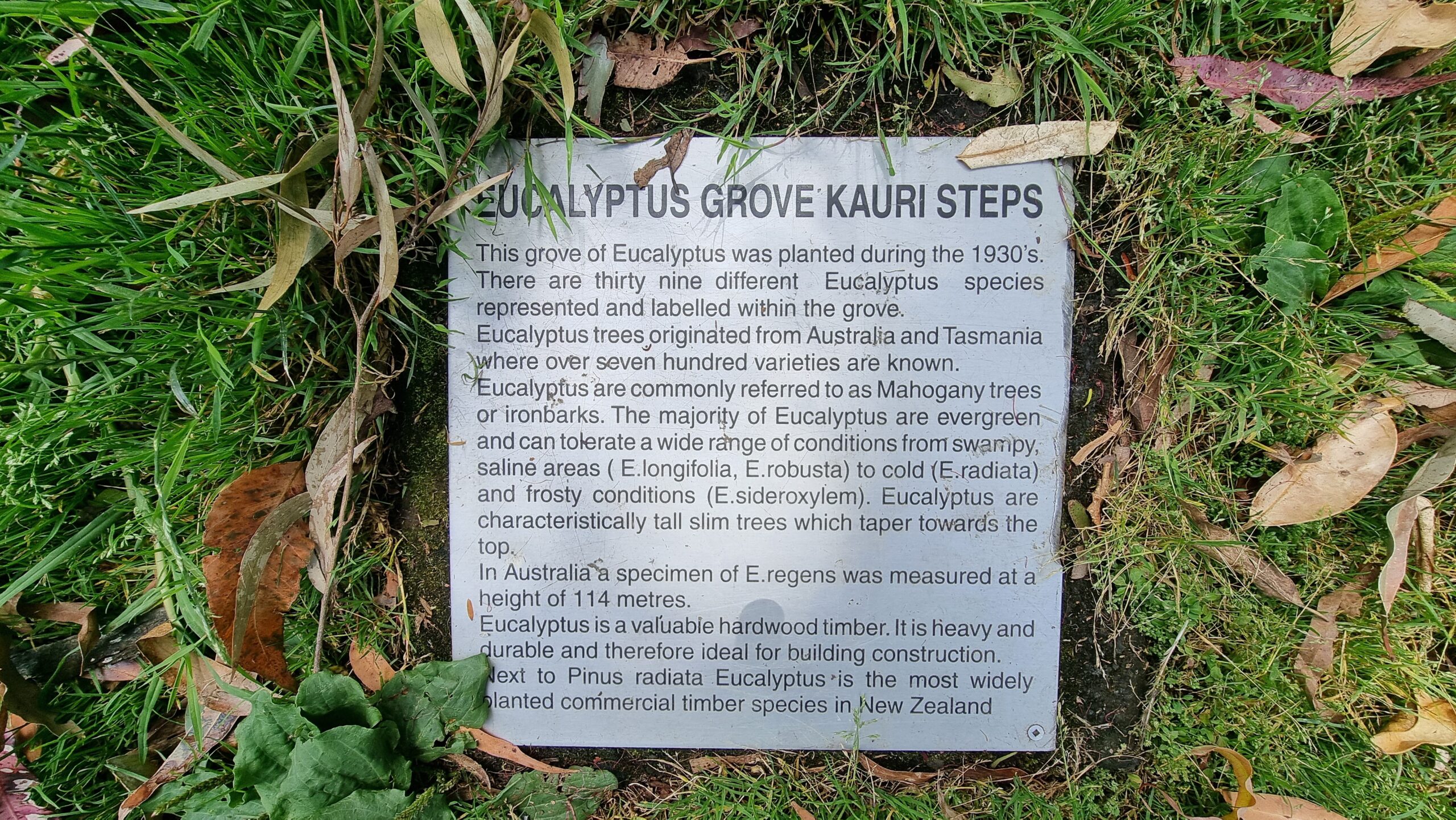
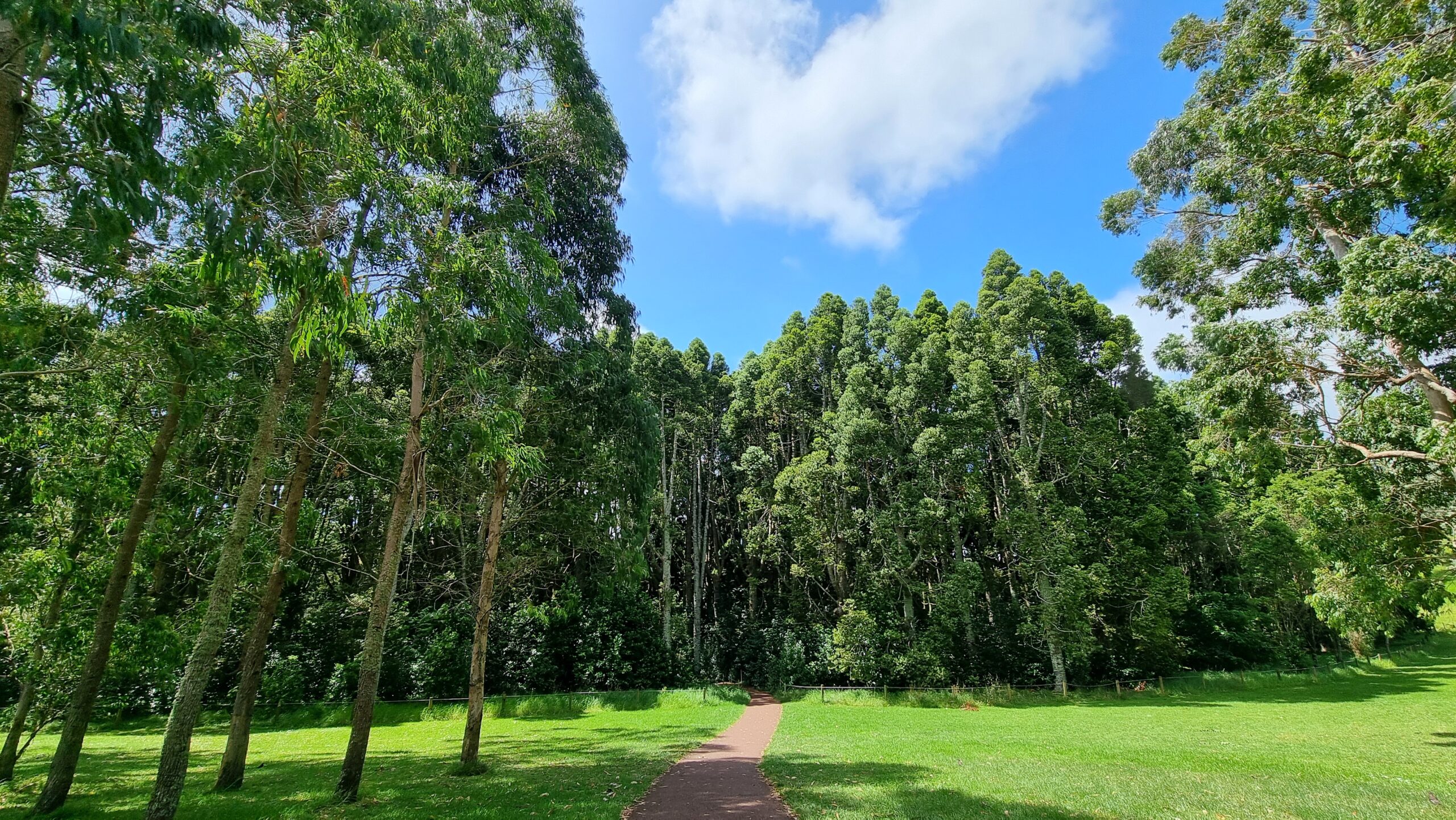
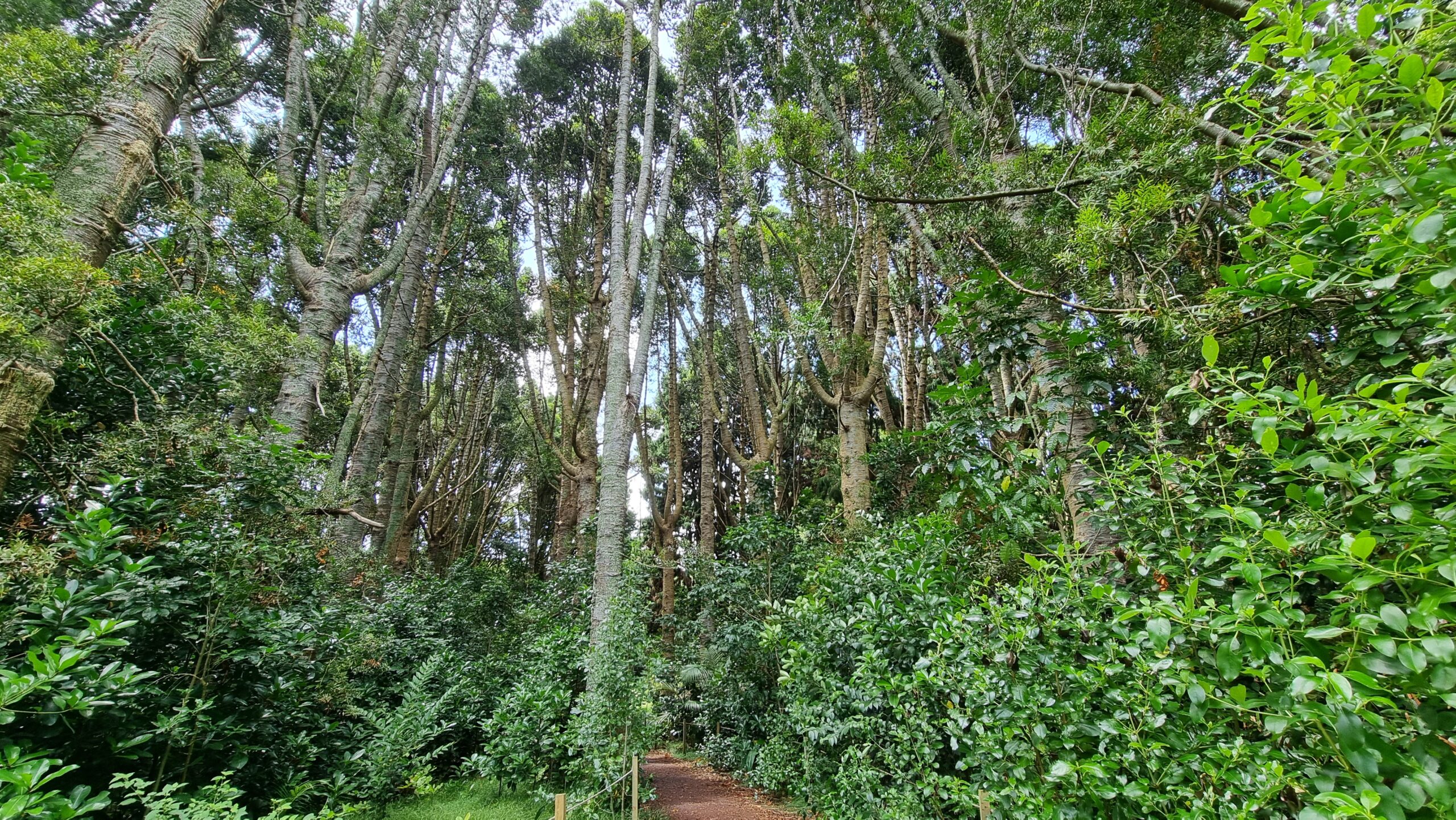
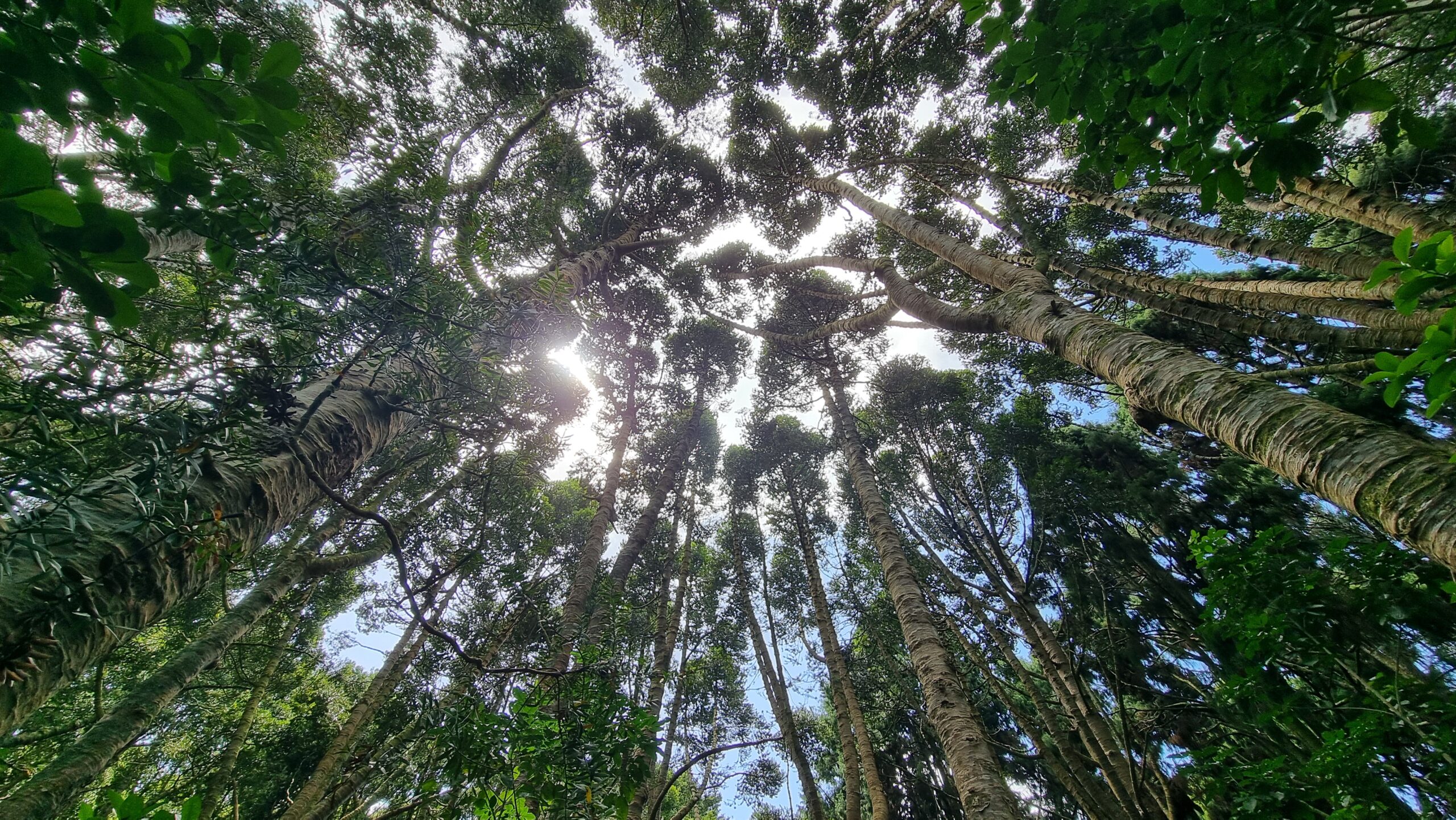
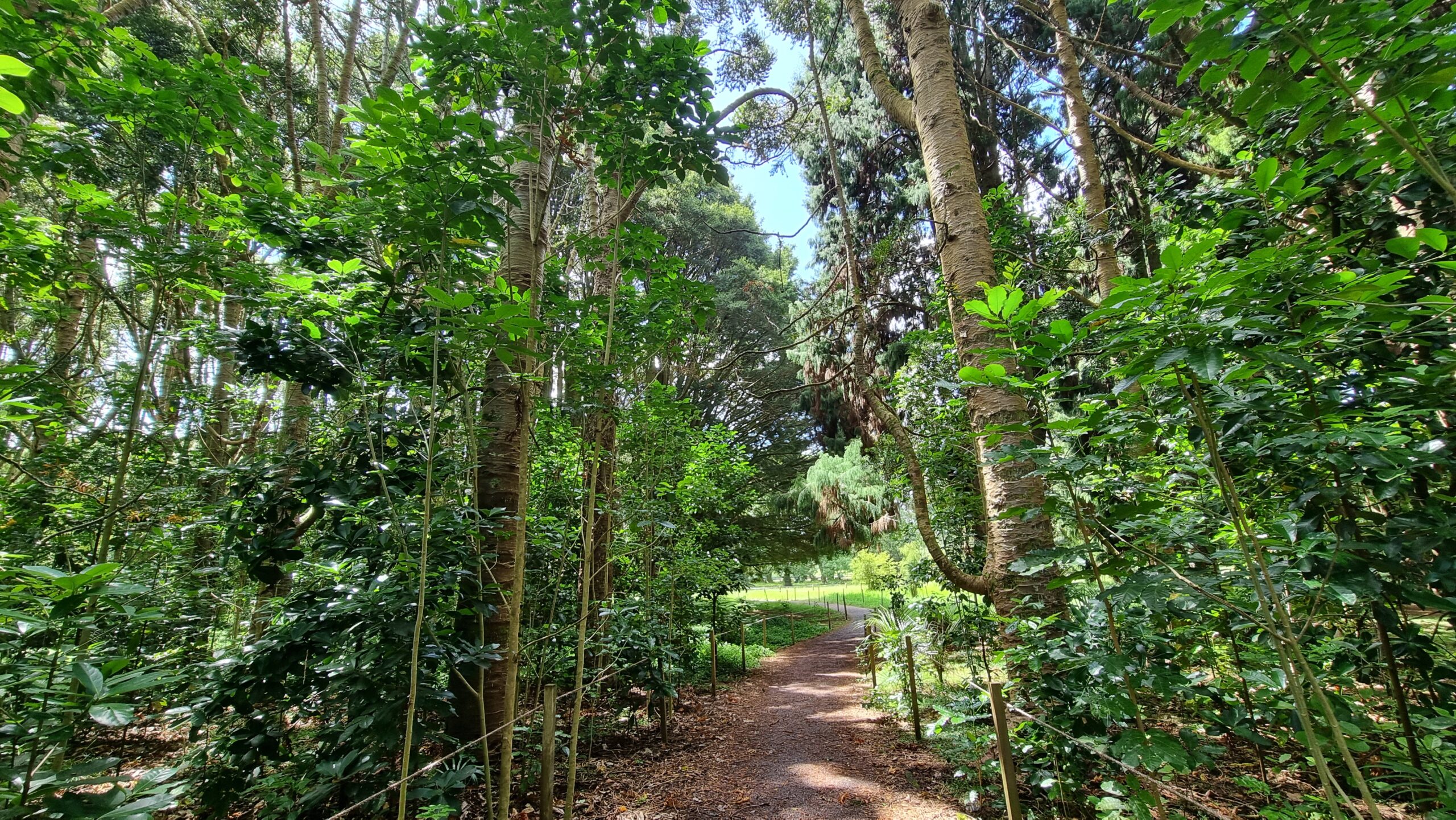
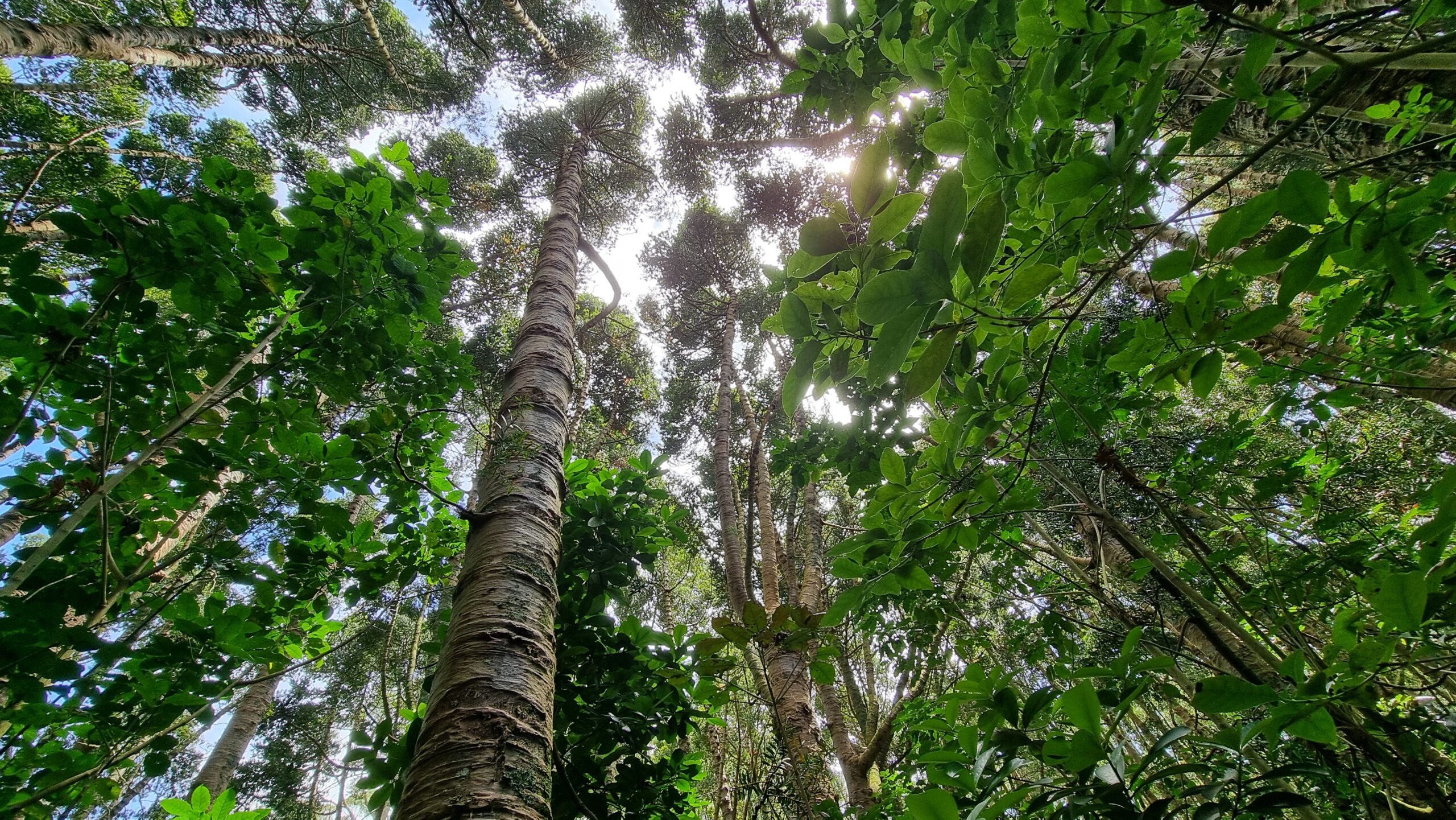
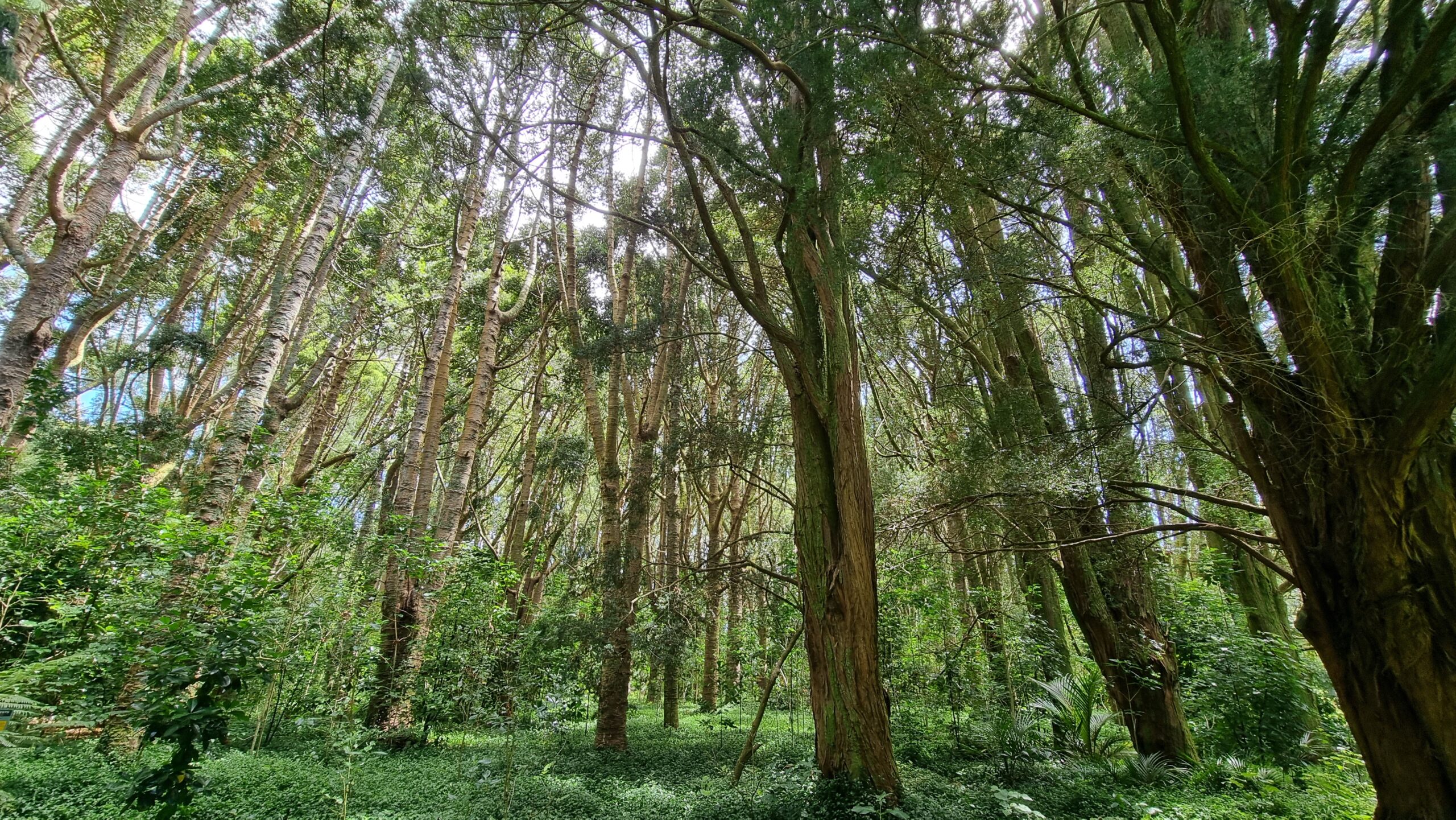
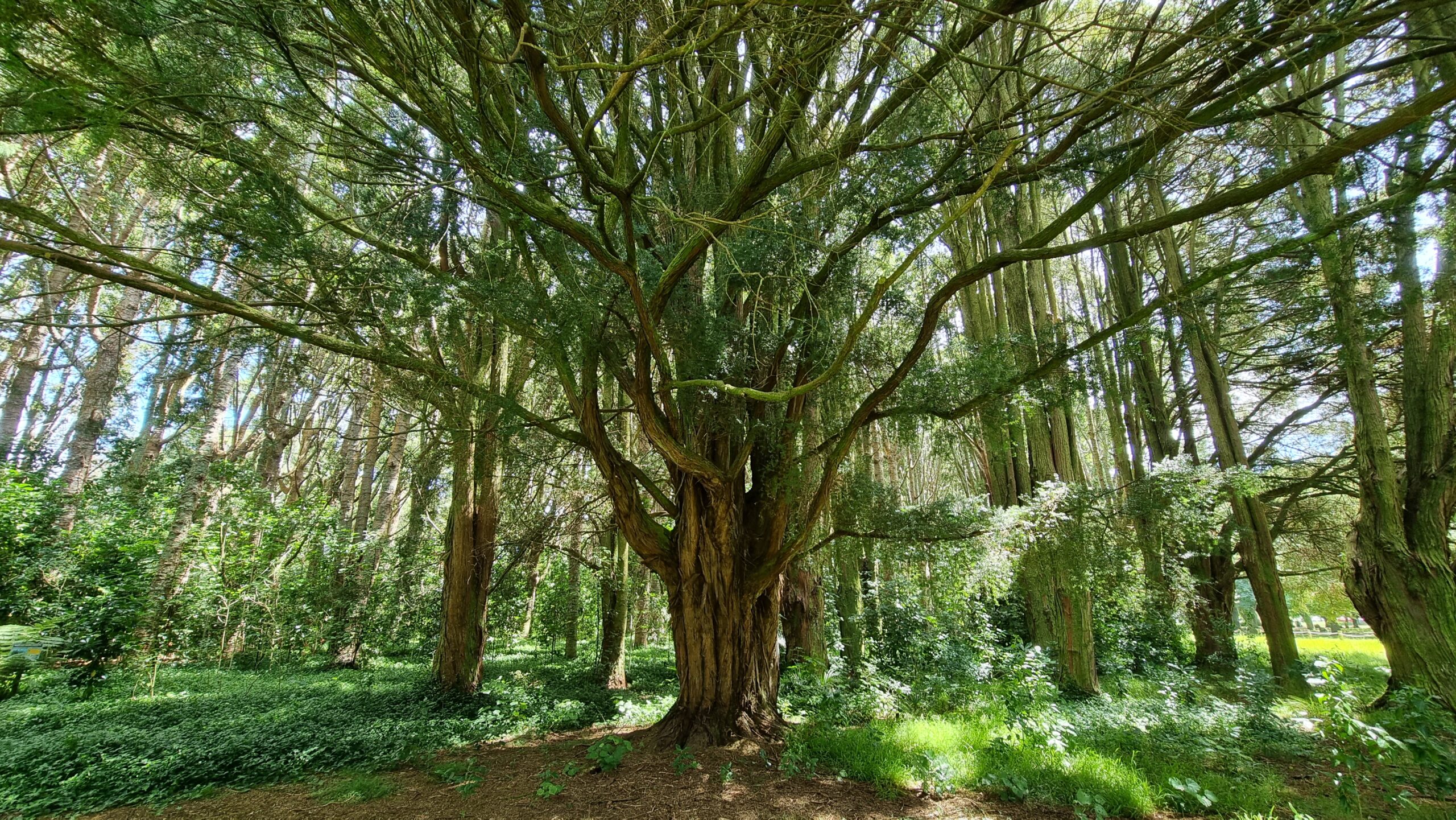
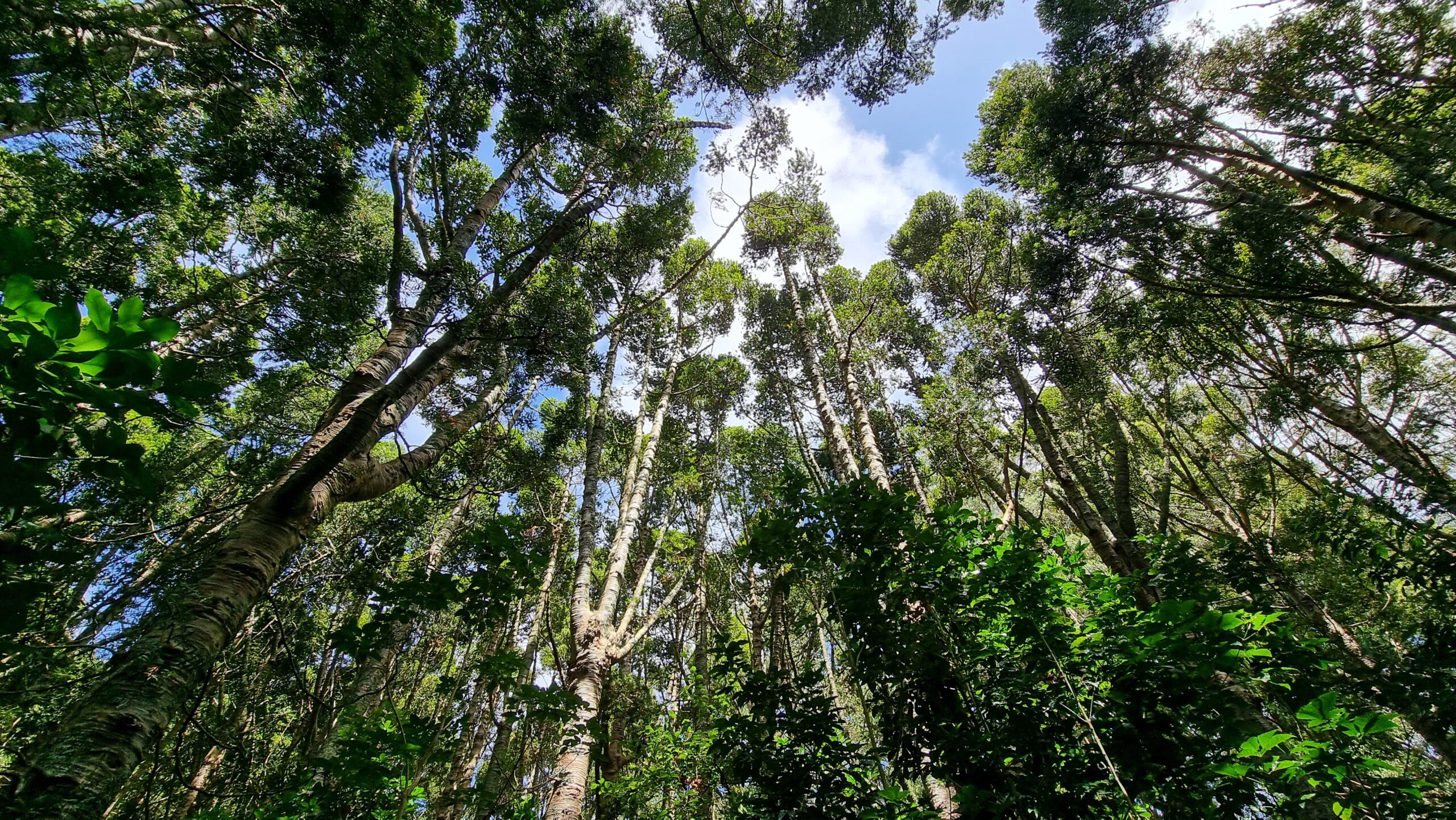
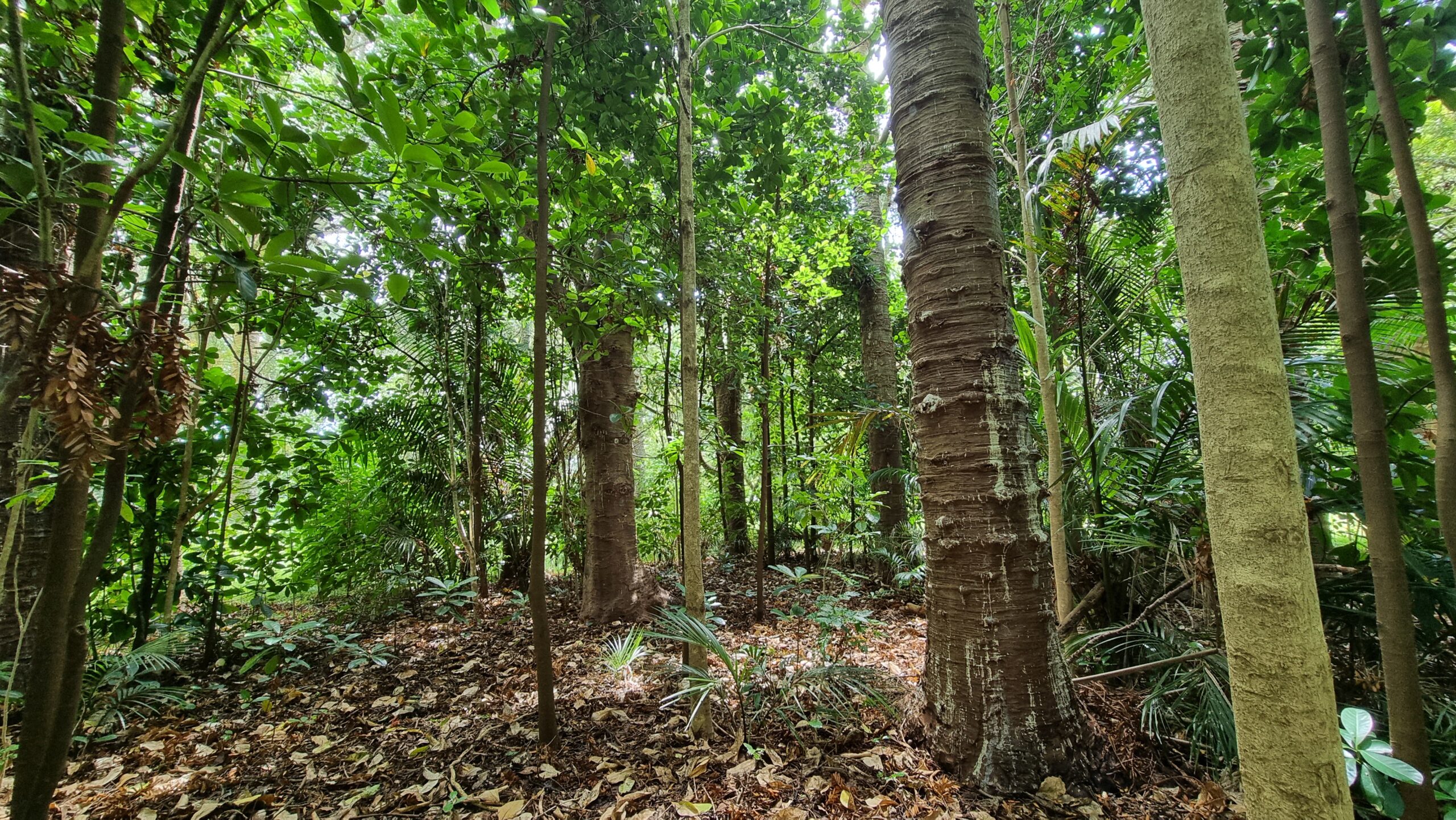
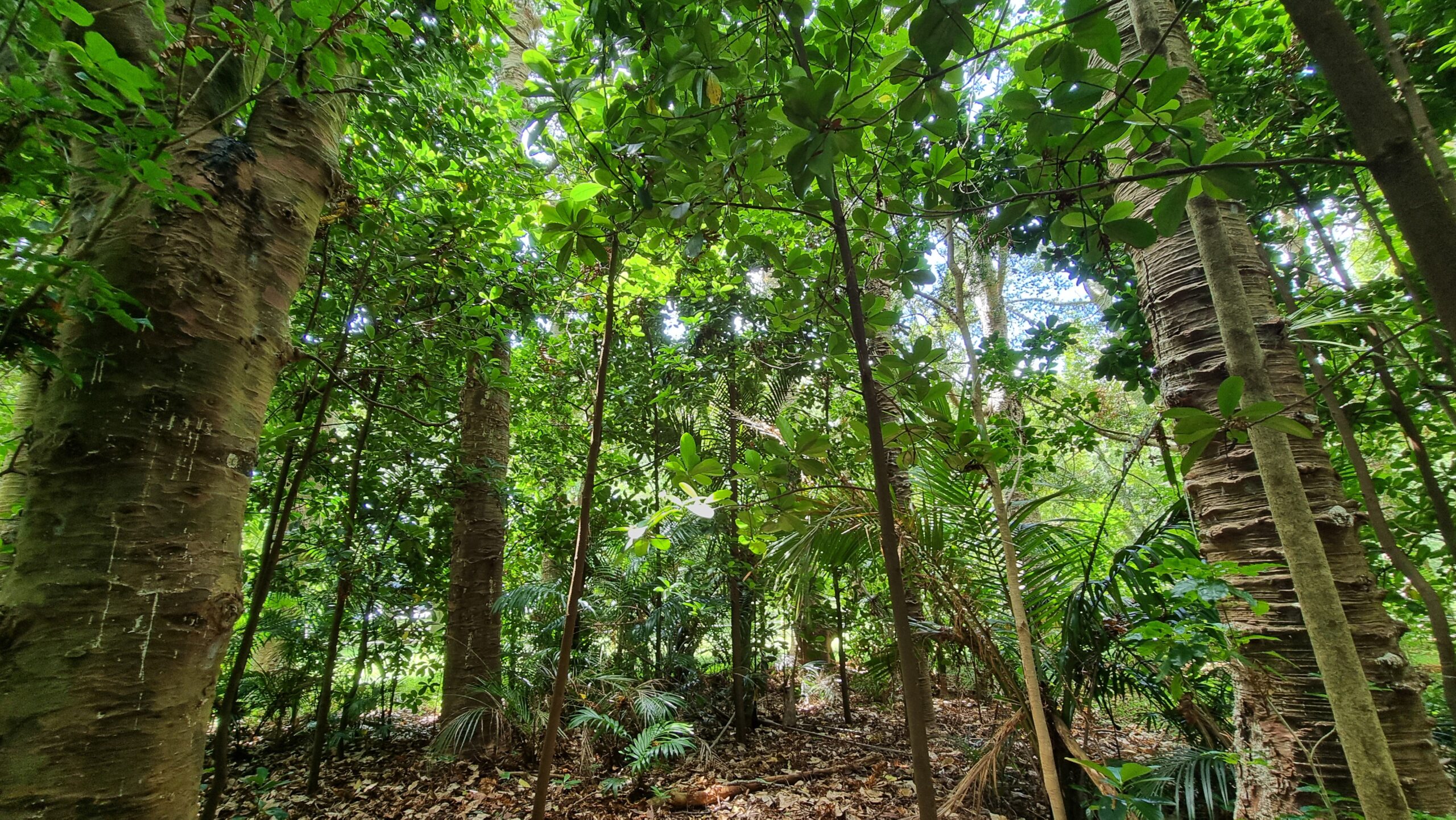
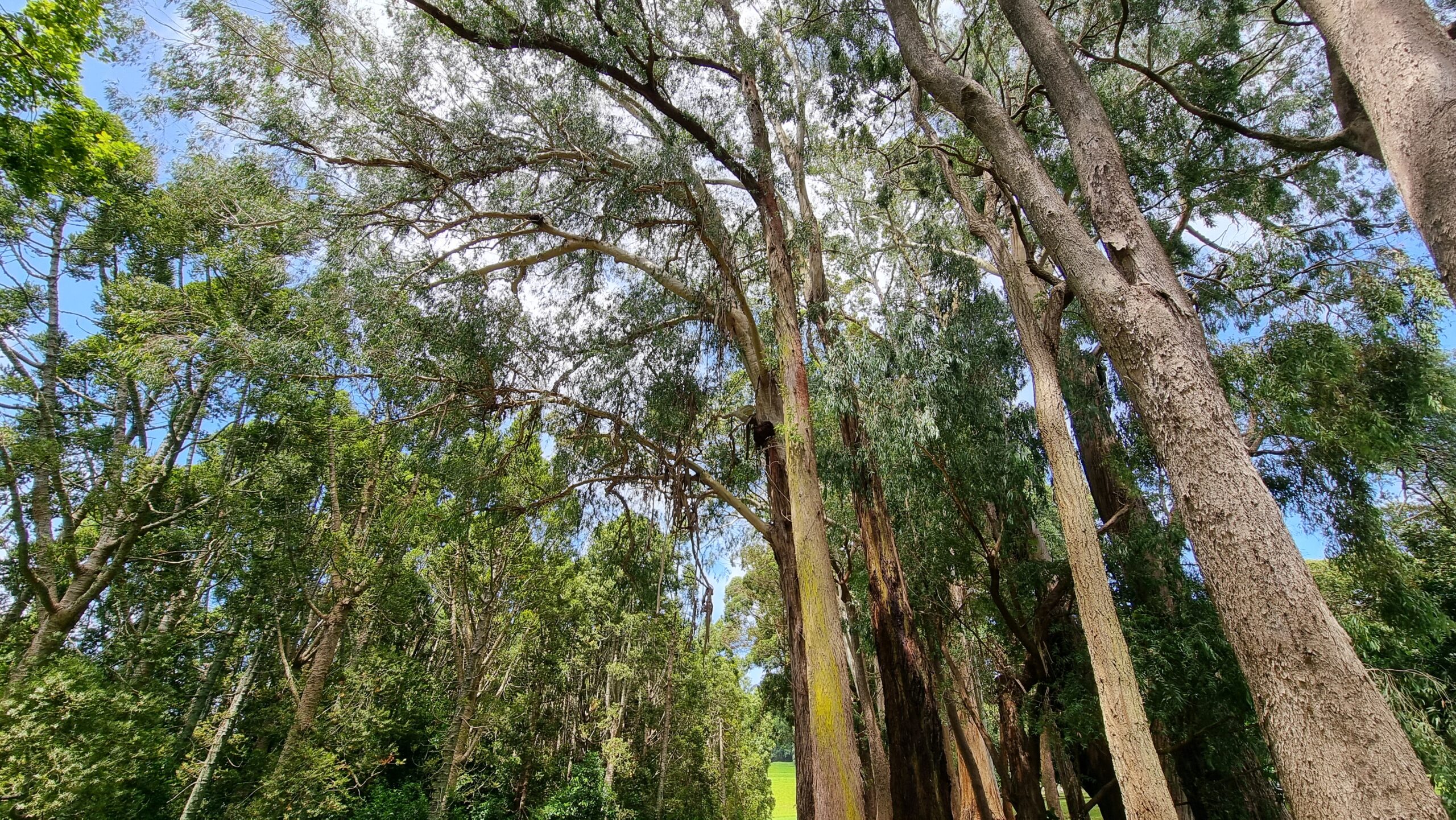
Scattered around the park are a few groves of trees that were planted in the early 1900s. One such grove in particular has been brought up in discussion a few times. A grove of Eucalyptus (or mahogany, as they are also known) trees was planted during the 1930s, and 39 different species are represented in the grove. In this grove, people have reported hearing voices, screams, and the sound of running. Oddly, not always from ground level; some from way up high. One person described it as sounding like ”voices carried on the wind’‘. One claim was of a white, ”fully robed, or veiled, glowing -white person’‘, floating through the undergrowth. ”Without walking or moving their feet”.
Another was a multi-generational family story — passed down from their grandmother — about the spirits of the lost dead walking in the park and people being wary of walking there alone at night. This kind of tale is typical of oral folklore, built on atmosphere rather than specific incidents, but reflects how some families and communities frame certain places as spiritually charged.
“There’s an old story my grandmother used to tell me… the souls of the lost dead walk that park… she insisted no one ever walks that park alone at night.”
One reader mentioned stories he was told growing up that had been passed down through the generations, of bodies being buried beneath various trees on the grounds. Who was buried, why they were buried there and when, wasn’t clear, only that it was ”a very long time ago”.
Other spooky occurrences mentioned included being followed by footsteps, shadows, unexplained chills, or feelings of being watched.
”One night, I was cutting through the park on the way home from a friend’s party. I had too much to drink and didn’t have money for a taxi, so I figured I’d walk home. I live in Greenlane, so it’s only a 30- to 45-minute walk, if I cut through Cornwall Park. I remember it was a full moon, and the trees overhead were casting some pretty wicked shadows onto the road and pathway. It was as if the footpath was moving under my feet as I walked along. I suddenly heard footsteps running up behind me at one point, so I stepped aside, thinking it was a late-night jogger. It came right up behind me and stopped. I spun around, and no one was there. I heard it clear as day and couldn’t have mistaken it for anything else. That really made the hairs stand up on the back of my neck!”
A curious turn-of-the-century discovery appears in newspaper archives—one that has fueled local speculation and remains one of the strongest documented cases of human bones found within the park’s boundaries. In June 1907, a report in the Bush Advocate newspaper described an encounter with a deposit of tons of human bones inside caves at Cornwall Park.
According to the article:
”A party of Auckland explorers investigated caves in Cornwall Park, originally part of the fortified pā of the Māori chief Kiwi Tamaki. They discovered human bone fragments piled in a deposit four feet high, so old and bleached they resembled “white earth.” The report noted other caves that had yet to be explored”. – Papers Past
This 1907 account reflects both the archaeological remnants of ancient habitation and burial practices associated with Maori settlement on Maungakiekie / One Tree Hill — a volcanic cone that was historically a primary pā site and landscape used for cultivation, settlement, and ceremony well before European arrival. The bones likely represent long-buried ancestral remains rather than evidence of recent deaths or crime.
Perhaps the most historically momentous burial within the park’s modern era was not a discovery of unknown remains but the planned interment of the park’s founder, Sir John Logan Campbell. When he died on 22 June 1912, his estate transferred about 2.6 hectares of parkland to trustees so he could be buried overlooking the park he had gifted to Auckland — and his funeral procession was the largest in Auckland’s history at the time.
Sir John’s grave, adjacent to the obelisk atop Maungakiekie / One Tree Hill, remains a central historical point in the park and is clearly documented in official sources.
We are keen to hear any stories from anyone who has experienced possibly paranormal occurrences while in Cornwall Park.
