
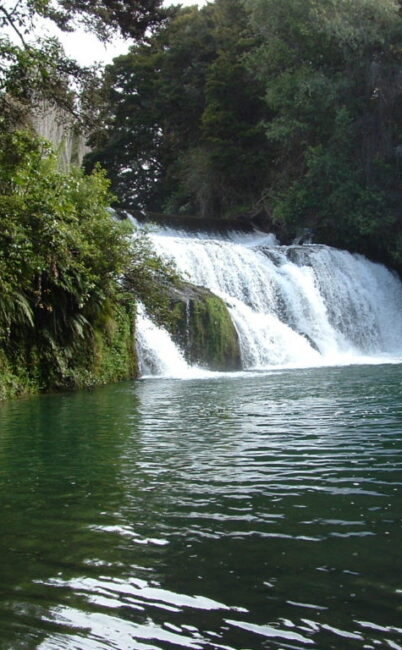
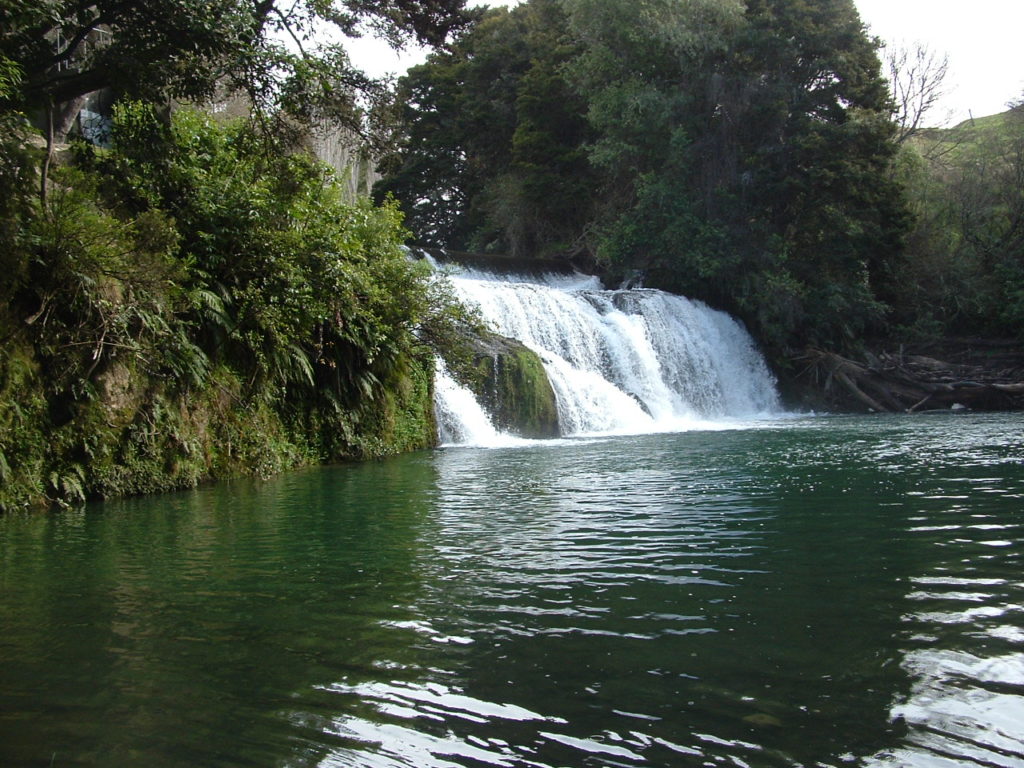
 Hidden in the hills between Havelock North and the coast, Maraetōtara Falls is the kind of place that feels peaceful at first glance. A short walk through the bush, the sound of falling water, and a deep swimming hole that draws people in during the summer months. Yet beneath that calm surface, the location carries a quieter, more unsettling reputation, shaped not only by folklore but by real events that have left a lasting impression on those who visit.
One of the most significant elements behind the falls’ eerie reputation is the number of accidents and drownings that have occurred there. The pool beneath the waterfall, while inviting, is deceptively deep and cold, and people regularly jump or dive from the surrounding rocks. In 2018, a 20-year-old man drowned after diving into the water and failing to resurface, an incident that required a full police search operation before his body was recovered the following day.
Events like this are not isolated, and over time, they contribute to a lingering sense that the place holds something heavier than just natural beauty. It is a pattern seen at many locations where sudden loss occurs. The environment itself begins to feel charged, as if it remembers.
Visitors have described the falls as having a strange shift in atmosphere, particularly in the late afternoon when the light fades, and the bush grows darker around the water. Some speak of an abrupt silence, in which birdsong drops away, and the sound of the waterfall becomes overpowering, almost disorienting. Others mention the feeling of being watched from the tree line or from the cliffs above the pool, even when no one else is present.
There are claims of figures standing near the water’s edge or partially obscured by spray. Shapes that seem human for a moment before blending back into shadow or mist. In a few accounts, these figures are not described as threatening, but simply present, as though observing. When approached, they are gone.
More commonly, however, people talk about a sudden unease, a pull to leave the area without being able to explain why. This is often strongest near the base of the falls, where the water churns and the bottom drops sharply beneath the surface. The combination of cold water, echoing sound, and enclosed bush can create a sensory environment that feels isolating, even when the track itself is only minutes from the road.
Sceptics point out that these conditions can easily distort perception. The constant motion of water, shifting light through trees, and drifting spray can create fleeting illusions of movement. Sound, too, behaves unpredictably. Voices from other visitors can carry or warp across the water, appearing to come from nowhere. Add to this the knowledge of past drownings, and it becomes easier to see how the mind might fill in the gaps.
And yet, for those who have had experiences there, the explanations do not always feel sufficient.
Whether the figures some claim to see are tricks of light, reflections in mist, or something more, the feeling many leave with is the same. That the falls are not entirely empty, even when no one else is around.
And in a place where the water has taken lives without warning, it is perhaps not surprising that some believe something still lingers at the edge of the pool, just beneath the sound of the falling water.
Maraetōtara Falls
Author: Mark Wallbank
