

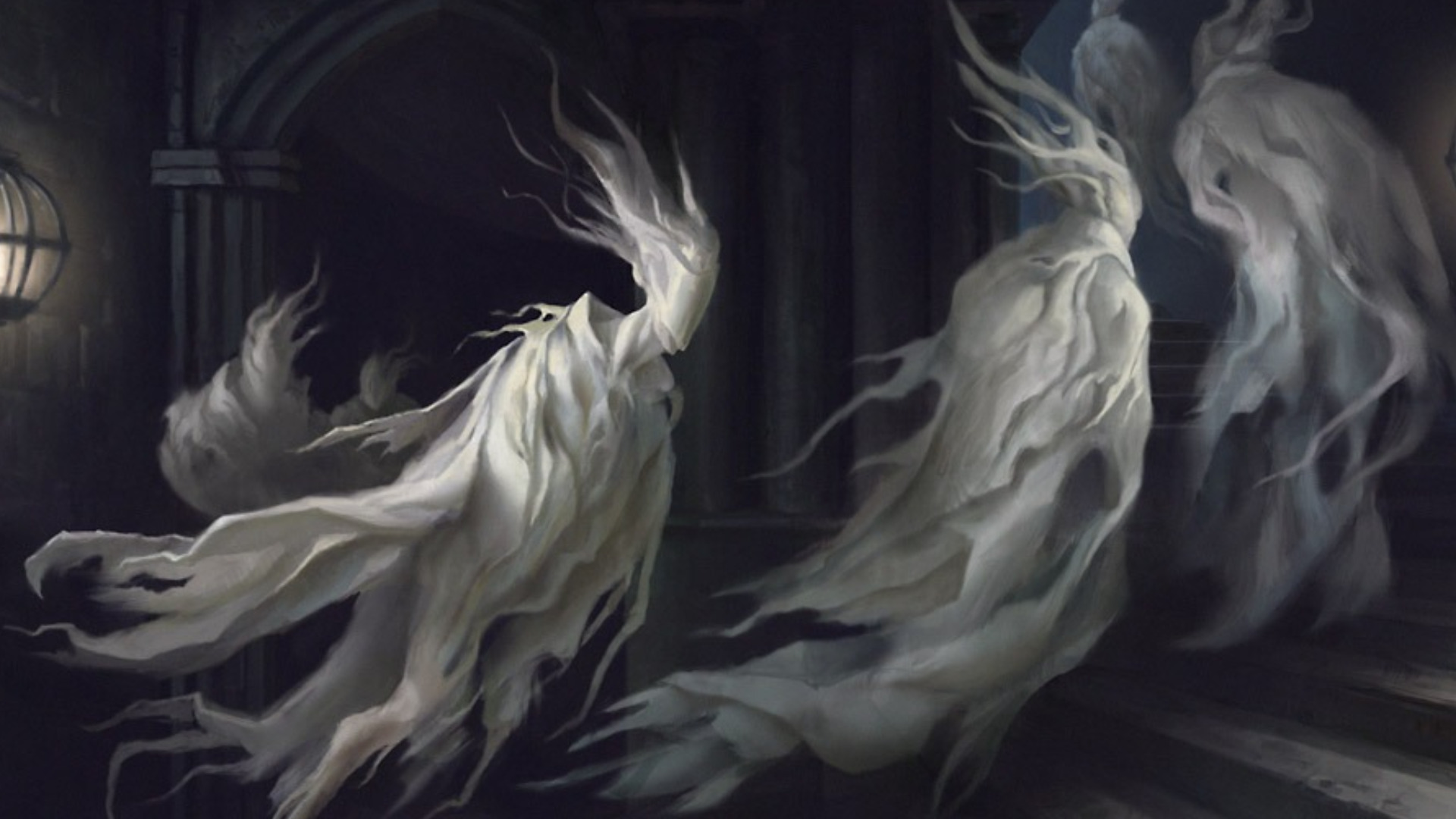
 The distinction between spirits and ghosts is one of those subtle but persistent ideas that runs through folklore, religion, and modern paranormal research. The two terms are often used interchangeably, yet they tend to carry very different meanings depending on who is speaking—and why.
A ghost is usually understood as something specific and localised. It is the lingering presence of a once-living person, tied to a place, an event, or even an emotional moment. Ghosts are often described as repetitive or limited in awareness, as though they are caught in a loop. Many reported hauntings fall into this category: footsteps in an empty hallway, a figure seen walking the same path night after night, a door that opens at the same hour. These accounts suggest something less like a conscious being and more like an imprint.
Paranormal researcher Hans Holzer, one of the most prolific writers on hauntings, framed it this way: “A ghost is a manifestation of energy left behind, not necessarily a thinking entity.” In that sense, a ghost may not be “present” in the way we think—it may simply be a recording, replaying under the right conditions.
A spirit, on the other hand, is generally considered to be an active, conscious entity. The term carries a broader and often more philosophical meaning. Spirits are not always tied to a single location, and they are frequently described as capable of interaction, communication, and even intention. In religious contexts, “spirit” can refer to the essence of a person that survives death. In paranormal investigation, it often implies something aware of the living—and sometimes responsive to them.
As parapsychologist Dr. Nandor Fodor once suggested, “The spirit hypothesis assumes agency, intention, and identity beyond the physical body.” That idea of agency is key. Where a ghost might repeat, a spirit might respond.
The distinction also shows up in how experiences are reported. Ghost sightings tend to be visual or environmental: shadows, apparitions, sounds. Spirit encounters are more likely to involve perceived communication—voices, electronic voice phenomena (EVP), or moments where investigators feel directly acknowledged.
Still, the line between the two is far from clear. Even among seasoned researchers, there is disagreement about whether ghosts and spirits are truly separate phenomena or simply different interpretations of the same underlying experience. Some argue that what we call a “ghost” may only appear unintelligent because we are witnessing a fragment of a larger, conscious spirit. Others believe the opposite—that many so-called spirit interactions are human attempts to impose meaning on random or misunderstood events.
Author and investigator Colin Wilson once reflected on this ambiguity: “We are dealing with something that behaves like a mind, yet is not quite a mind as we understand it.”
In the end, the difference between spirits and ghosts may say as much about human perception as it does about the phenomena themselves. A ghost is often treated as a trace of the past, something that remains. A spirit is treated as something that continues. Whether either exists outside of interpretation remains an open question—but the distinction persists because it helps people make sense of experiences that resist easy explanation.
